Diagnosed Between Deadlines: How the American Workplace Is Becoming an Unlikely Frontline for Life-Saving Detection
The average full-time American worker logs more than 1,700 hours on the job each year. That figure dwarfs the time most people spend in a physician's office, a pharmacy, or any other traditional healthcare setting. Yet for decades, the potential of the workplace as a site of early disease detection has gone largely unrealized — a missed opportunity measured not in lost productivity, but in lost lives.
That calculus is beginning to change. Across industries ranging from manufacturing and logistics to finance and technology, a growing number of employers are embedding structured health screening directly into the workday. The results, in many cases, are striking.
The Logic of Meeting People Where They Are
Public health professionals have long understood that access and convenience are among the most powerful determinants of whether someone seeks care. When a biometric screening station is set up in the same building where a person spends eight or more hours a day, the friction that typically prevents health-seeking behavior — scheduling, transportation, time off, cost — is substantially reduced.
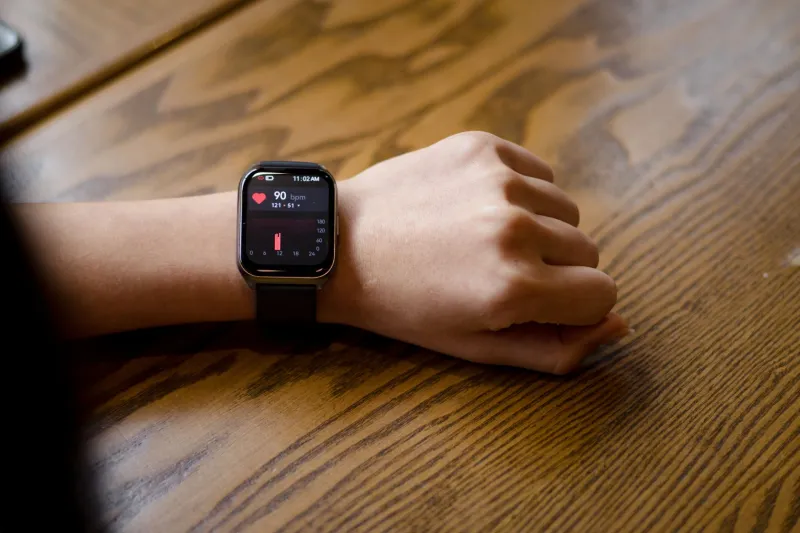
Workplace wellness programs vary considerably in scope. At their most basic, they may consist of annual health fairs offering blood pressure checks and cholesterol panels. At their most sophisticated, they integrate continuous monitoring tools, on-site nurse practitioners, behavioral health consultations, and real-time data dashboards that flag employees who may benefit from follow-up care.
The common thread is proximity. Screening that happens where people already are is screening that actually happens.
What Employers Are Finding — and Why It Matters
The conditions most frequently identified through workplace screening programs are precisely those that respond best to early intervention: hypertension, prediabetes, elevated cholesterol, and certain cancers detected through symptom questionnaires or referral pathways.
Hypertension alone affects nearly half of all American adults, according to the Centers for Disease Control and Prevention, and a significant proportion of those individuals are unaware of their status. Because high blood pressure rarely produces noticeable symptoms in its early stages, it is often discovered incidentally — during a routine visit for something else, or not at all until a cardiovascular event occurs. A blood pressure kiosk in a company break room, checked by a curious employee on a Tuesday afternoon, can interrupt that trajectory entirely.
Similarly, prediabetes — a condition affecting an estimated 96 million Americans — frequently goes undetected until it has progressed to type 2 diabetes or produced secondary complications. Fasting glucose panels included in standard biometric screenings have identified employees with abnormal results who had no prior indication of risk.
Colorectal cancer screening referrals, skin lesion assessments conducted by occupational health nurses, and depression screenings administered through digital wellness platforms have all produced documented cases of early-stage disease identification in workplace settings. In each instance, the intervention began not with a scheduled appointment, but with a program the employer made available.
Voices From the Workday
The human dimension of this phenomenon is difficult to overstate. Across the country, employees have described learning about serious health conditions through workplace programs that they enrolled in largely out of convenience or mild curiosity.
A 47-year-old warehouse supervisor in Ohio participated in his company's annual health fair primarily because it was held on-site and required no time off. A blood glucose reading flagged during the event led to a referral, a formal diagnosis of prediabetes, and a structured lifestyle intervention. Eighteen months later, his numbers had normalized.
A marketing director in Texas completed a digital mental health screening as part of her employer's wellness incentive program. The results prompted a conversation with an employee assistance program counselor — her first engagement with mental health services in years — and ultimately a referral to treatment for a depressive disorder she had attributed to ordinary work stress.
These accounts are not exceptional. They are increasingly representative of what happens when screening is made accessible, normalized, and routine.
The Gap Between Companies That Do and Companies That Don't
Despite the documented benefits, workplace wellness programs are not uniformly available. Large employers, particularly those with robust human resources infrastructure, are far more likely to offer comprehensive programs than small businesses. Workers in part-time, gig, or contract arrangements — populations that already face elevated barriers to healthcare access — are frequently excluded entirely.
The disparity matters because the burden of undetected chronic disease does not fall evenly. Workers in physically demanding occupations, those without employer-sponsored insurance, and those in lower wage brackets are simultaneously at higher risk for certain conditions and less likely to have access to the preventive services that could catch those conditions early.
For employees at organizations that do not currently offer wellness programming, the situation is not without remedy. Several strategies merit consideration.
What Workers Can Do When Programs Don't Exist
Engage human resources directly. Many employers are receptive to wellness initiatives when presented with a clear case — particularly when that case includes data on reduced absenteeism, lower insurance claims, and improved retention. Employees who approach HR with a concrete proposal, rather than a general request, are more likely to see action.
Utilize occupational health resources. Companies that employ occupational health nurses or contract with occupational medicine providers often make those professionals available for health consultations that extend beyond workplace injury management. Many employees are unaware that these services exist or that they are accessible for general health concerns.
Leverage employee assistance programs. EAPs, which are offered by a substantial proportion of mid-size and large employers, typically include access to mental health counseling, substance use support, and in some cases, health navigation services. Utilization rates for EAPs remain low, in part because employees do not know what is covered.
Request on-site health fairs through benefits brokers. Many insurance carriers and benefits administrators offer subsidized or no-cost health fair services to employer groups. A conversation between an interested employee and a benefits coordinator can sometimes initiate a program that would not otherwise have existed.
Take advantage of preventive care provisions. Under current federal law, most employer-sponsored health plans are required to cover a defined set of preventive services without cost-sharing. Knowing what is covered — and scheduling those services — does not require a workplace program. It requires only an informed employee.
Reframing the Workplace as a Health Asset
The case for workplace-based early detection is, at its core, a case about access. The conditions that kill Americans prematurely are, in many instances, conditions that announce themselves quietly and respond well to timely intervention. The challenge has never been the absence of effective treatments. It has been the gap between the moment a disease becomes detectable and the moment it is actually detected.
The workplace, for all its associations with stress and obligation, represents something genuinely valuable from a public health perspective: a place where people show up reliably, day after day, and where the infrastructure for regular contact already exists. Screening programs that embed themselves into that environment are not replacing the physician's office. They are extending the reach of early detection into a space that medicine has historically left largely untouched.
For employees whose most consequential health appointment happened not in a clinic but in a conference room down the hall, that distinction is not semantic. It is the difference between a condition caught and a condition missed — and in medicine, that difference can define everything that follows.