

Ultimo aggiornamento: 15 September 2026
Lo smartphone ha trasformato radicalmente il modo di scommettere. Le app scommesse hanno reso il betting accessibile ovunque: dalla pausa caffè al tragitto in metropolitana, dai momenti di attesa alle sessioni serali sul divano. Questa trasformazione ha creato un nuovo paradigma dove l’immediatezza e la semplicità d’uso diventano decisive per l’esperienza dell’utente.
Le app scommesse moderne non sono più versioni ridotte dei siti web, ma ecosistemi completi progettati specificamente per l’uso mobile. Ogni gesto è ottimizzato, ogni funzione è a portata di pollice, ogni notifica è calibrata per mantenere l’utente informato senza essere invadente.

350% fino a 1.500 € + 200 giri gratuiti + 1 bonus
350% fino a 1.500 € + 200 giri gratuiti + 1 bonus


100% fino a 250 €
100% fino a 250 €

Dal 300% fino a 2.500 € + 300 giri gratuiti
Dal 300% fino a 2.500 € + 300 giri gratuiti

100% fino a 150 €
100% fino a 150 €

Bonus di benvenuto di €1000 + 100 giri gratuiti
Bonus di benvenuto di €1000 + 100 giri gratuiti

Bonus Del 100% Fino A €500 + 200 FS
Bonus Del 100% Fino A €500 + 200 FS


100% fino a €150
100% fino a €150

100% fino a €150
100% fino a €150

250% fino a €2500 + 250 Giri
250% fino a €2500 + 250 Giri

Bonus fino a 2500€ + 350 giri e 2000€ cashback settimanale
Bonus fino a 2500€ + 350 giri e 2000€ cashback settimanale

150% fino a 250 €
150% fino a 250 €


100% fino a €300
100% fino a €300

Bonus sul Primo Deposito fino a 100 EUR
Bonus sul Primo Deposito fino a 100 EUR

Bonus del 300% fino a €1.000 + 100 Giri
Bonus del 300% fino a €1.000 + 100 Giri

100% Fino a €100
100% Fino a €100

100% fino a 150 EUR
100% fino a 150 EUR


100% fino a 100€ sul primo deposito
100% fino a 100€ sul primo deposito

120% fino a 600€ sul primo deposito
120% fino a 600€ sul primo deposito

Fino a 1000 + 150 Giri Gratis
Fino a 1000 + 150 Giri Gratis

100% fino a €200 in Free Bet
100% fino a €200 in Free Bet

Bonus del 200% per i nuovi giocatori fino a 7.500€
Bonus del 200% per i nuovi giocatori fino a 7.500€

Ecco la nostra selezione delle migliori app scommesse disponibili per gli utenti italiani:
| Nome Casinò | Caratteristica | Valutazione |
| Lottomatica | App storica con presenza capillare e bonus fino a €5.550 | 5.0/5 |
| BetFlag | Applicazione specializzata calcio con statistiche live e bonus fino a €5.000 | 4.9/5 |
| Starvegas | Specialista virtual sports con eventi disponibili 24/7. Fino a €3.000 in real bonus | 4.9/5 |
| Eurobet | €1.000 + €7 al deposito in un’integrazione perfetta online-offline | 4.8/5 |
| LeoVegas | Re del mobile gaming con tecnologie all’avanguardia e welcome in 3 maggiorazioni fino a €500 | 4.8/5 |
| DomusBet | App 100% italiana con cashback automatico, supporto locale e benvenuto €420 | 4.8/5 |
| Betsson | 100% fino a €500 su app nordica con design minimale e prestazioni ottimizzate | 4.7/5 |
| 888 Casino | App completa con bonus fino a €100 e interfaccia gaming premium | 4.7/5 |
| Betclic | Interfaccia elegante con funzionalità social integrate e bonus fino a €350 | 4.7/5 |
| Gioco Digitale | Veterano del mobile con esperienza consolidata. Bonus 100% fino a €200 | 4.6/5 |
| VinciTu | App educativa pensata per principianti. Bonus sport 50% fino a €100 | 4.6/5 |
| Unibet | €10 al deposito per qualità scandinava con approccio essenziale e veloce | 4.5/5 |
Il mercato delle app di scommesse si caratterizza per una competizione intensa dove ogni operatore cerca di distinguersi attraverso funzionalità specifiche e approcci unici. Analizziamo nel dettaglio le caratteristiche principali di ogni applicazione.
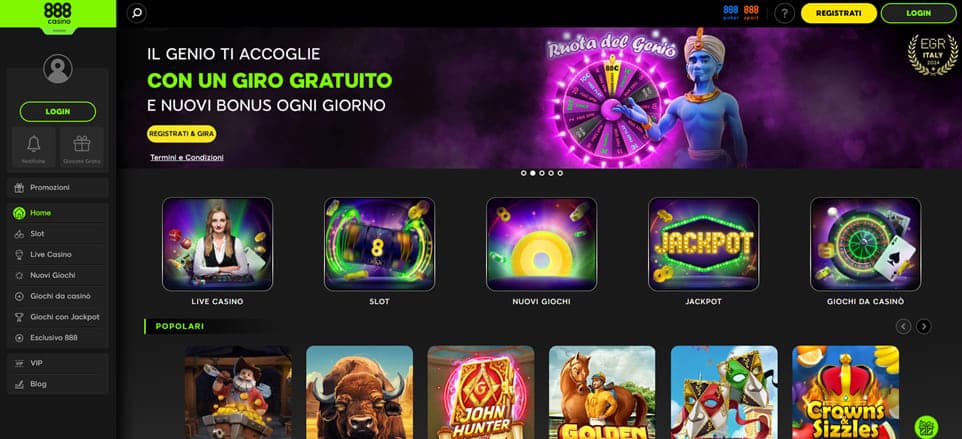
L’esperienza gaming mobile premium caratterizza l’app scommesse 888 che porta lo sport su tutti i dispositivi mobili. Un’esperienza completa di gaming online con particolare attenzione alla qualità grafica e sonora.
L’interfaccia combina elementi moderni con la funzionalità necessaria per navigare rapidamente tra le scommesse sportive. La transizione tra sezioni avviene senza interruzioni, mantenendo la continuità dell’esperienza utente.
La sezione scommesse copre i principali sport con quote competitive e mercati approfonditi.
| Caratteristica | Dettagli |
| Licenza | AAMS/ADM Italia |
| Bonus Benvenuto | 100% fino a €100 sulla prima ricarica |
| Sistemi Operativi | iOS e Android |
| Dimensione App | 45-60 MB |
| Metodi Pagamento | Carte, e-wallet, bonifici |
| Supporto Clienti | Chat live, email, telefono |
Caratteristiche principali:
Punti di forza:
Aspetti migliorabili:
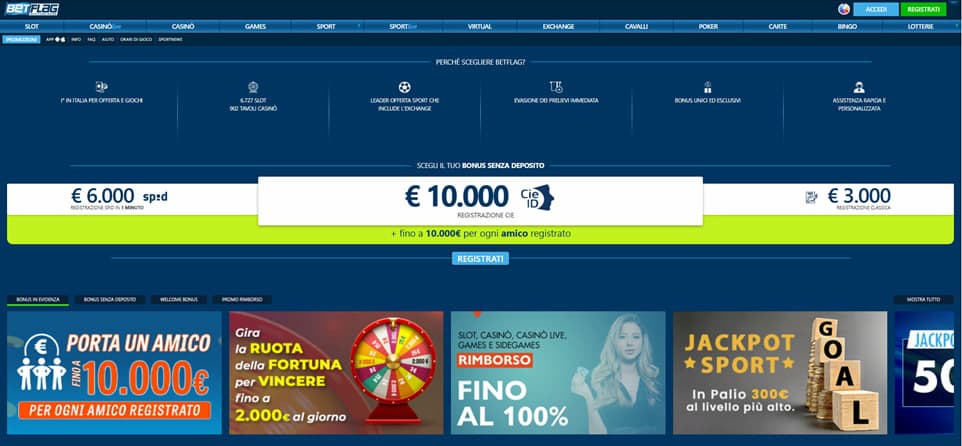
La specializzazione calcistica definisce questa app di scommesse, che ha costruito la propria identità attorno alla passione per questo sport. Ogni elemento dell’interfaccia è progettato per soddisfare le esigenze degli appassionati di calcio, dalle statistiche pre-partita alle analisi post-gara.
L’app scommesse BetFlag privilegia l’accesso rapido alle competizioni calcistiche più seguite. Serie A, Champions League e competizioni internazionali sono sempre in primo piano, con aggiornamenti costanti su formazioni, infortuni e statistiche.
La funzionalità di alert personalizzati permette di seguire squadre specifiche e ricevere notifiche su eventi importanti come gol, espulsioni e cambi di risultato.
| Caratteristica | Dettagli |
| Licenza | AAMS/ADM Italia |
| Bonus Benvenuto | 100% del versamento fino a €5.000 |
| Sistemi Operativi | iOS e Android |
| Dimensione App | 35-50 MB |
| Metodi Pagamento | Carte, e-wallet, bonifici |
| Supporto Clienti | Chat live, email, telefono |
Caratteristiche principali:
Punti di forza:
Aspetti migliorabili:
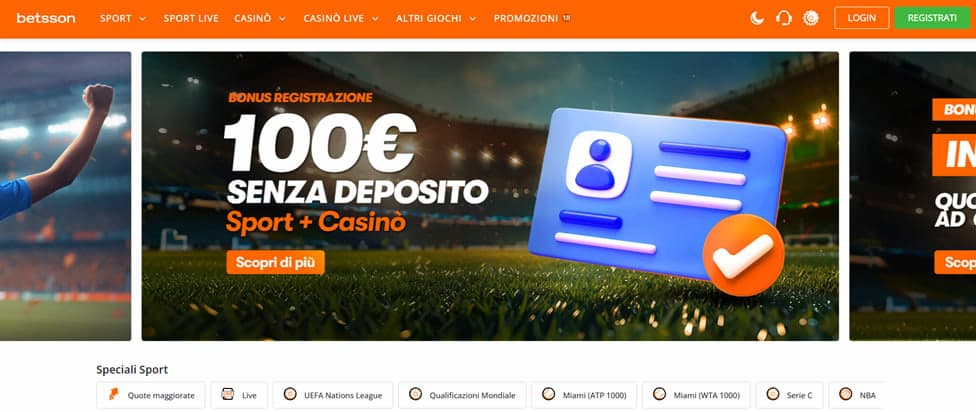
La filosofia di design scandinava caratterizzata da semplicità, funzionalità e attenzione ai dettagli definisce questa applicazione mobile. Ogni elemento dell’app scommesse Betsson è stato progettato per ridurre l’attrito e accelerare le operazioni.
Il design minimale non sacrifica la completezza funzionale. Tutte le opzioni sono accessibili attraverso menu intuitivi che seguono pattern consolidati dell’usabilità mobile. La navigazione risulta naturale anche per utenti che utilizzano l’app per la prima volta.
Le prestazioni rimangono costanti indipendentemente dal dispositivo utilizzato.
| Caratteristica | Dettagli |
| Licenza | AAMS/ADM Italia |
| Bonus Benvenuto | 100% di bonus fino a €500 |
| Sistemi Operativi | iOS e Android |
| Dimensione App | 30-40 MB |
| Metodi Pagamento | Carte, e-wallet, bonifici |
| Supporto Clienti | Chat live, email, telefono |
Caratteristiche principali:
Punti di forza:
Aspetti migliorabili:
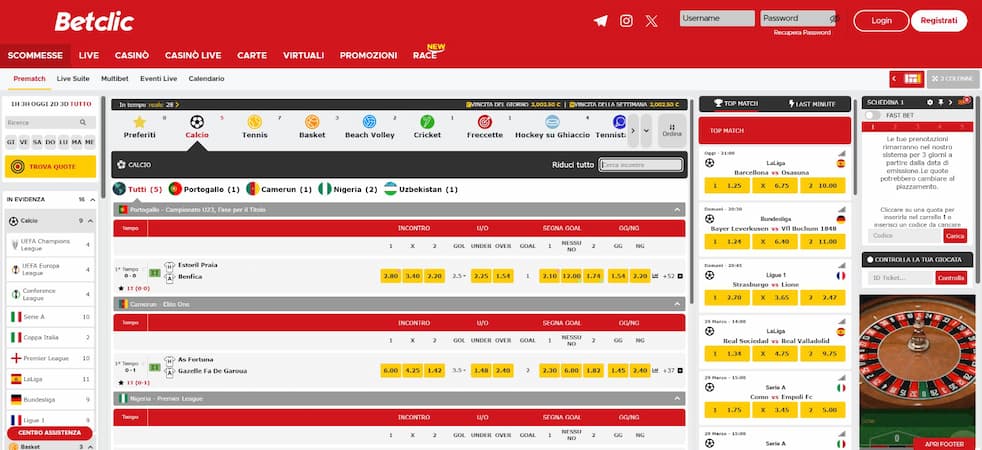
L’attenzione al design e all’esperienza utente caratterizza questa applicazione che porta in Italia l’eleganza francese nel mobile betting. L’interfaccia presenta linee pulite e una gerarchia visiva che facilita la navigazione anche per utenti alle prime esperienze.
L’organizzazione dei contenuti segue principi di usabilità consolidati con menu intuitivi e percorsi di navigazione logici. Le sezioni principali BetClic app scommesse sono facilmente identificabili e l’accesso alle funzioni più utilizzate richiede pochi tap.
La stabilità tecnica dell’applicazione si mantiene costante anche durante eventi ad alto traffico. Le prestazioni sono fluide indipendentemente dal numero di utenti connessi simultaneamente.
| Caratteristica | Dettagli |
| Licenza | AAMS/ADM Italia |
| Bonus Benvenuto | €100 sulla prima ricarica e fino a €250 su altre 10 |
| Sistemi Operativi | iOS e Android |
| Dimensione App | 40-55 MB |
| Metodi Pagamento | Carte, e-wallet, bonifici |
| Supporto Clienti | Chat live, email, community |
Caratteristiche principali:
Punti di forza:
Aspetti migliorabili:
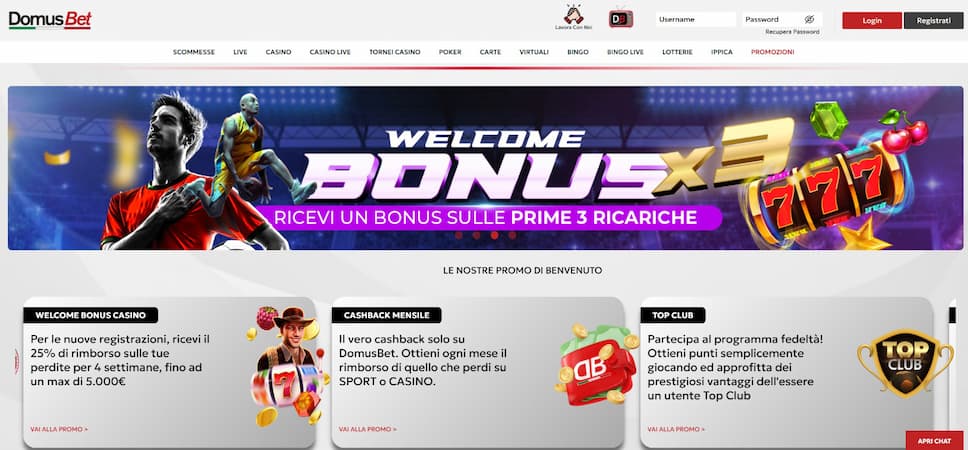
L’eccellenza italiana nel mobile betting si manifesta attraverso questa applicazione progettata specificamente per il mercato nazionale. Ogni aspetto dell’app scommesse DomusBet riflette la comprensione profonda delle abitudini e preferenze degli scommettitori italiani.
Il supporto clienti integrato nell’app è gestito completamente in Italia, garantendo assistenza competente negli orari più utilizzati. La chat live è sempre accessibile attraverso un pulsante fisso che non interferisce con le altre funzionalità.
Il sistema di cashback automatico rappresenta una caratteristica distintiva. Le percentuali di rimborso vengono calcolate automaticamente e accreditate senza necessità di richieste manuali.
| Caratteristica | Dettagli |
| Licenza | AAMS/ADM Italia |
| Bonus Benvenuto | Fino a €380 in bonus scommesse + 100% fino a €20 + 20 free spin Ulteriori premi per registrazione con SPID |
| Sistemi Operativi | iOS e Android 7 |
| Dimensione App | 35-45 MB |
| Metodi Pagamento | Carte, e-wallet, PostePay, bonifici |
| Supporto Clienti | Chat live italiana, email, telefono |
Caratteristiche principali:
Punti di forza:
Aspetti migliorabili:
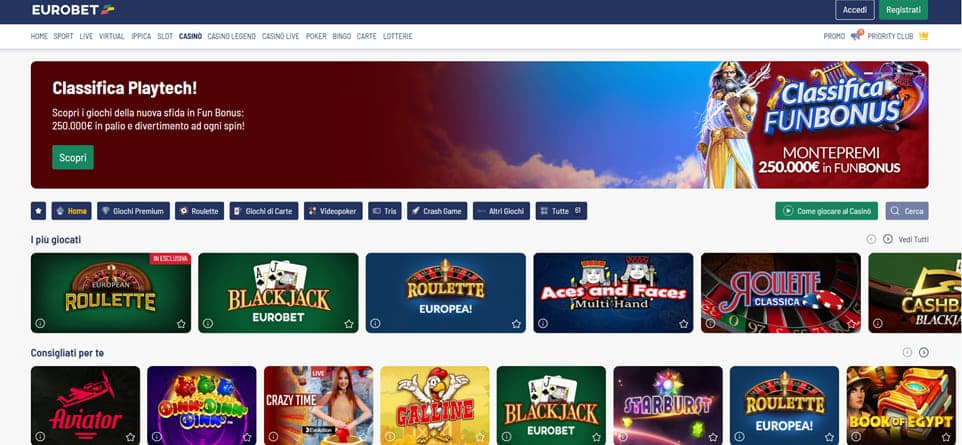
L’eccellenza nell’integrazione tra esperienza mobile e rete fisica di agenzie caratterizza questa applicazione unica nel panorama italiano. Gli utenti Eurobet app scommesse possono iniziare operazioni sull’app e completarle in agenzia, o viceversa. Tutto mantenendo continuità completa del servizio.
Il sistema di ticket digitali permette di salvare scommesse complesse sull’app e finalizzarle presso i punti vendita.
La geolocalizzazione integrata nell’app facilita la ricerca dell’agenzia più vicina e fornisce informazioni su orari, servizi disponibili e eventuale affluenza.
| Caratteristica | Dettagli |
| Licenza | AAMS/ADM Italia |
| Bonus Benvenuto | Bonus fino a €1.000 + €7 al deposito |
| Sistemi Operativi | iOS e Android |
| Dimensione App | 40-50 MB |
| Metodi Pagamento | Carte, e-wallet, agenzie fisiche |
| Supporto Clienti | Chat live, email, telefono, agenzie |
Caratteristiche principali:
Punti di forza:
Aspetti migliorabili:
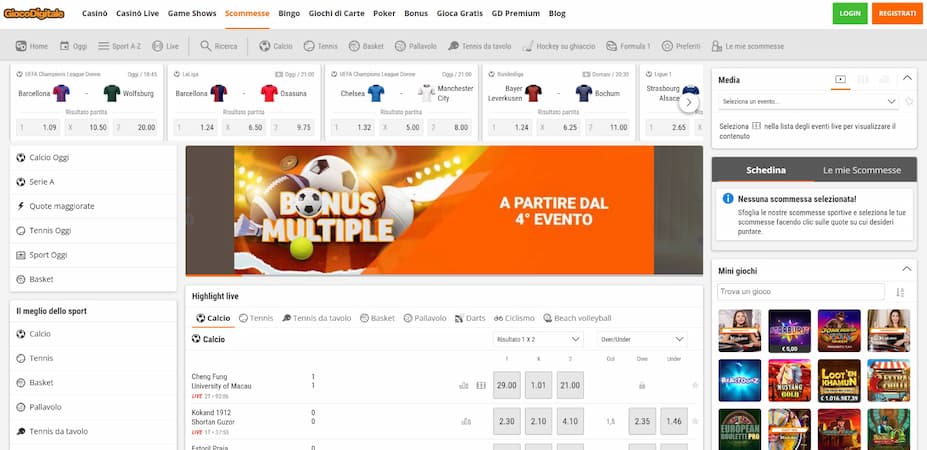
L’evoluzione di un operatore storico che ha saputo adattarsi alle esigenze mobile mantenendo la solidità caratteristica del brand. Ecco ciò che si riflette in questa applicazione stabile e affidabile. L’esperienza consolidata di Gioco Digitale si traduce in un’app che anticipa le esigenze degli utenti.
L’interfaccia riflette anni di feedback degli utenti italiani. Ogni elemento è posizionato dove gli scommettitori si aspettano di trovarlo, creando familiarità immediata anche per chi utilizza l’app per la prima volta.
La gestione del conto sull’app scommesse Gioco Digitale è particolarmente curata, con sezioni dedicate a storico, bilanci e promozioni attive.
| Caratteristica | Dettagli |
| Licenza | AAMS/ADM Italia |
| Bonus Benvenuto | 100% fino a €200 + €5 per Bingo |
| Sistemi Operativi | iOS e Android |
| Dimensione App | 45-55 MB |
| Metodi Pagamento | Carte, e-wallet, PostePay, bonifici |
| Supporto Clienti | Chat live, email, telefono |
Caratteristiche principali:
Punti di forza:
Aspetti migliorabili:
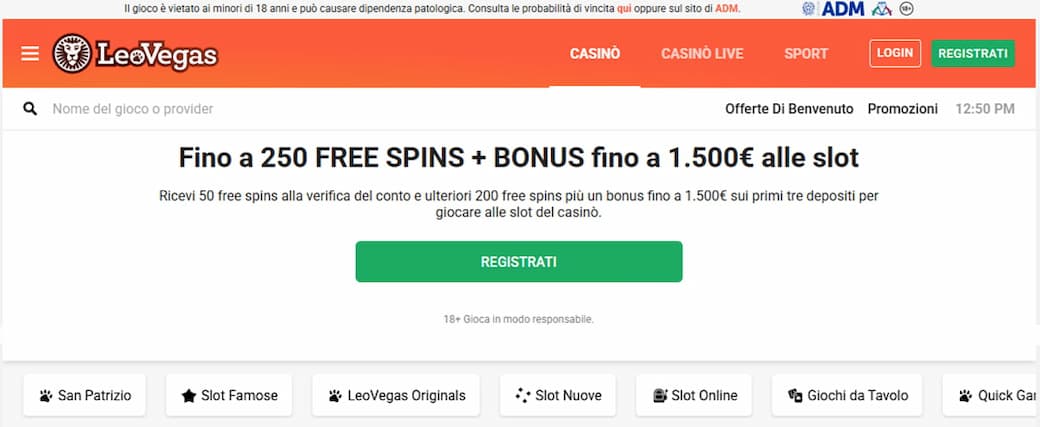
L’approccio mobile-first che ha rivoluzionato il settore caratterizza questa applicazione nata da una filosofia completamente orientata allo smartphone. Ogni funzionalità dell’app scommesse LeoVegas è stata concepita prima per dispositivi mobili e poi adattata ad altri device. Il risultato è un’esperienza mobile superiore.
Le tecnologie implementate sono costantemente all’avanguardia. Dalla realtà aumentata per le scommesse live alle notifiche intelligenti basate sui pattern di utilizzo, questa app sperimenta continuamente nuove soluzioni.
| Caratteristica | Dettagli |
| Licenza | AAMS/ADM Italia |
| Bonus Benvenuto | 3 maggiorazioni del 100 e 150% fino a 500€ + fino a 20 free spins su Pirots |
| Sistemi Operativi | iOS e Android |
| Dimensione App | 50-65 MB |
| Metodi Pagamento | Carte, e-wallet, metodi innovativi |
| Supporto Clienti | Chat live, email, telefono |
Caratteristiche principali:
Punti di forza:
Aspetti migliorabili:
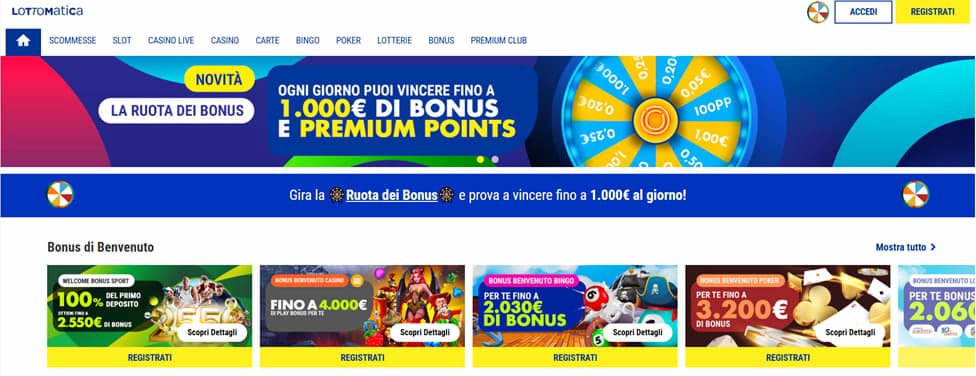
La combinazione tra fiducia di un brand storico e funzionalità moderne caratterizza questa applicazione. Lottomatica app scommesse riflette una conoscenza profonda del mercato italiano. La presenza capillare sul territorio si traduce in un software che comprende le esigenze locali.
L’integrazione con la rete di ricevitorie permette operazioni ibride uniche. Depositi, prelievi e supporto sono disponibili attraverso migliaia di punti sul territorio, creando una rete di supporto senza precedenti nel panorama mobile.
Il valore del brand facilita l’adozione da parte di utenti che potrebbero essere diffidenti verso operatori meno conosciuti. La storia consolidata rappresenta una garanzia di affidabilità apprezzata dal pubblico italiano.
| Caratteristica | Dettagli |
| Licenza | AAMS/ADM Italia |
| Bonus Benvenuto | Fino a €5.550 |
| Sistemi Operativi | iOS e Android |
| Dimensione App | 40-50 MB |
| Metodi Pagamento | Carte, e-wallet, ricevitorie fisiche |
| Supporto Clienti | Chat live, email, telefono, ricevitorie |
Caratteristiche principali:
Punti di forza:
Aspetti migliorabili:
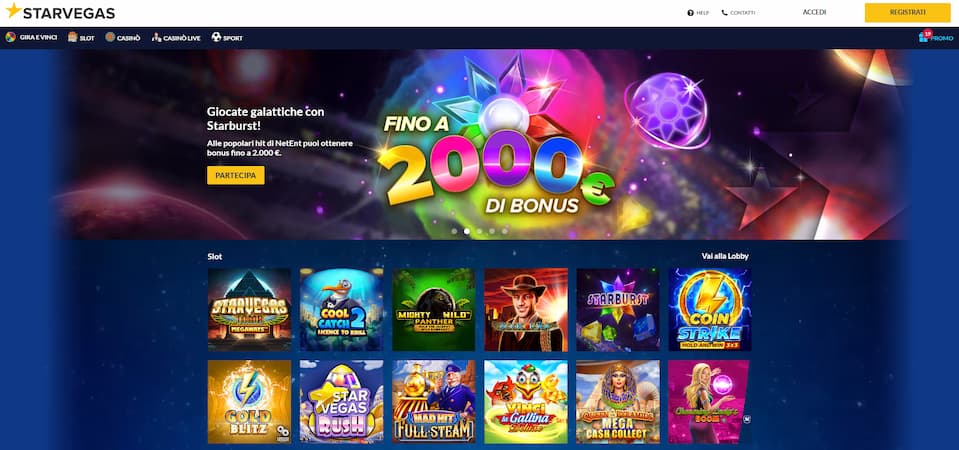
L’approccio al gaming online completo caratterizza questa applicazione che combina scommesse sportive e sezione casino in un’unica piattaforma integrata. L’esperienza utente bilancia entrambe le sezioni senza privilegiare una specifica area di gioco.
L’interfaccia permette di passare fluidamente tra scommesse sportive e giochi da casino mantenendo coerenza visiva e funzionale. La navigazione è progettata per utenti che apprezzano avere multiple opzioni di intrattenimento a disposizione.
L’app scommesse Starvegas copre tutti i principali sport con particolare attenzione al calcio e ai mercati più popolari in Italia.
| Caratteristica | Dettagli |
| Licenza | AAMS/ADM Italia |
| Bonus Benvenuto | Fino a €3.000 di bonus sport |
| Sistemi Operativi | iOS e Android |
| Dimensione App | 45-55 MB |
| Metodi Pagamento | Carte, e-wallet, bonifici |
| Supporto Clienti | Chat live, email, telefono |
Caratteristiche principali:
Punti di forza:
Aspetti migliorabili:
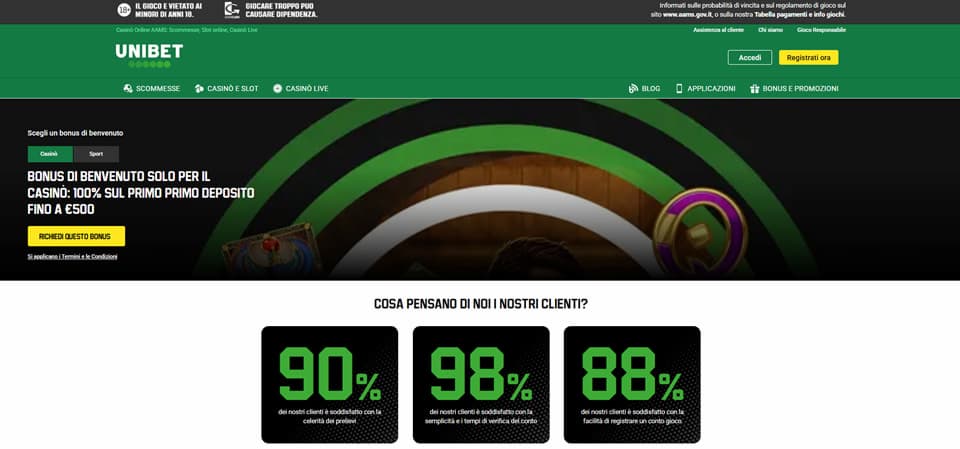
L’applicazione della filosofia scandinava “less is more” al mobile betting caratterizza questa app dove ogni elemento superfluo è stato eliminato per concentrarsi sulle funzionalità essenziali richieste dagli scommettitori.
L’interfaccia elimina distrazioni e complessità, guidando l’utente verso l’obiettivo con il minor numero di tap possibile. Questa semplicità non compromette la completezza: tutte le funzioni necessarie sono accessibili attraverso percorsi ottimizzati.
Le prestazioni beneficiano dell’approccio minimalista. L’app scommesse Unibet carica rapidamente, consuma meno batteria e funziona fluidamente anche su dispositivi con specifiche modeste.
| Caratteristica | Dettagli |
| Licenza | AAMS/ADM Italia |
| Bonus Benvenuto | Bonus scommesse €10 al deposito |
| Sistemi Operativi | iOS e Android |
| Dimensione App | 25-35 MB |
| Metodi Pagamento | Carte, e-wallet, bonifici |
| Supporto Clienti | Chat live, email, telefono |
Caratteristiche principali:
Punti di forza:
Aspetti migliorabili:
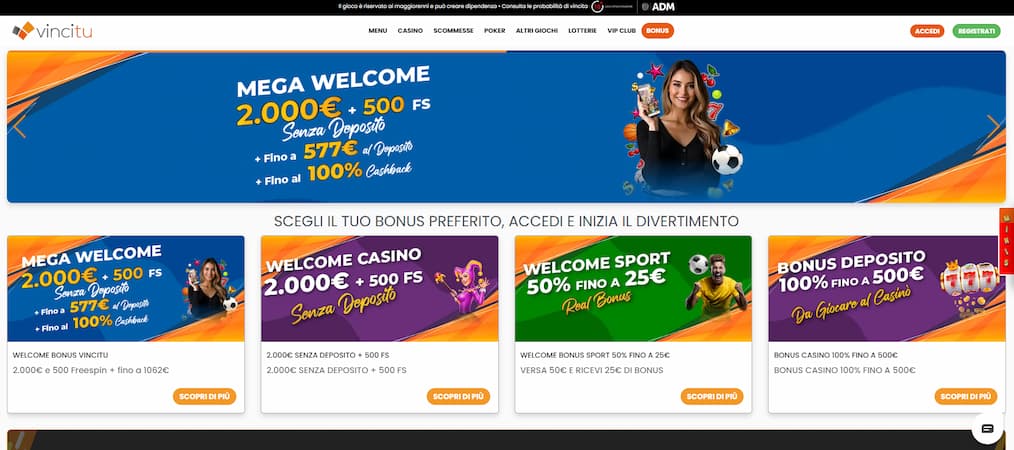
La progettazione specifica per accompagnare i principianti nel mondo del betting mobile caratterizza questa applicazione educativa. Tutorial integrati, suggerimenti contestuali e guide interattive rendono l’apprendimento naturale e progressivo.
L’interfaccia VinciTu app scommesse si adatta al livello di esperienza dell’utente. I principianti vedono spiegazioni dettagliate e suggerimenti, mentre gli utenti più esperti possono nascondere questi elementi per un’esperienza più diretta.
| Caratteristica | Dettagli |
| Licenza | AAMS/ADM Italia |
| Bonus Benvenuto | Welcome sport 50% fino a €100 |
| Sistemi Operativi | iOS e Android |
| Dimensione App | 30-40 MB |
| Metodi Pagamento | Carte, e-wallet, PostePay, bonifici |
| Supporto Clienti | Chat live educativa, email, guide |
Caratteristiche principali:
Punti di forza:
Aspetti migliorabili:
Prima di proseguire, pubblichiamo di seguito la guida di Roma2022 per quanto riguarda le migliori app per scommesse in circolazione, messe a disposizione dai migliori siti scommesse in Italia. Dopo un’attenta analisi abbiamo selezionato i prodotti più performanti sul mercato, basandoci su diversi criteri tra cui velocità di download e navigazione, grafica, funzionalità, quote presenti e possibilità di sfruttare il bonus scommesse dell’operatore corrispondente.

Le app di scommesse sportive moderne sono ecosistemi tecnologici complessi che devono gestire operazioni finanziarie, streaming live, notifiche push e sincronizzazione multi-dispositivo. Comprendere gli aspetti tecnici aiuta a valutare la qualità complessiva dell’esperienza.
Le app native offrono prestazioni superiori e accesso completo alle funzionalità del dispositivo. Possono utilizzare sensori, fotocamera, GPS e sistemi di notifica in modo più efficiente rispetto alle web app.
Le Progressive Web App (PWA) rappresentano un compromesso interessante. Offrono un’esperienza simile alle app native senza richiedere download da store ufficiali. Molte migliori app scommesse stanno adottando questo approccio per ridurre le barriere all’adozione.
L’installazione attraverso store ufficiali garantisce verifiche di sicurezza e aggiornamenti automatici. Gli utenti possono fidarsi della provenienza dell’applicazione e ricevere patch di sicurezza tempestive.
I dispositivi con sistema Android offrono delle applicazioni mobili altamente reattive per le tue puntate quotidiane. Spesso scarichi il pacchetto ufficiale direttamente dal portale web del tuo operatore estero preferito. Questa velocissima procedura ti assicura un accesso istantaneo a tutte le quote sportive internazionali.
Gli utenti dei dispositivi Apple beneficiano costantemente di programmi digitali estremamente ottimizzati e sicuri. Puoi installare queste comode applicazioni cercandole in pochissimi secondi nel negozio ufficiale del tuo smartphone. Le notifiche ti avvisano sempre istantaneamente sull’esito esatto delle tue giocate.
Le migliori app di betting si avvalgono di strategie avanzate di ottimizzazione. Lo scopo è quello di garantire fluidità anche durante eventi ad alto traffico. La gestione intelligente della cache permette, per esempio, di ridurre i tempi di caricamento per i contenuti più richiesti.
Il lazy loading carica solo i contenuti visibili nella schermata corrente. Ciò riduce i tempi di avvio e il consumo di banda. Si tratta di una tecnica particolarmente importante per le liste di eventi sportivi che possono contenere centinaia di elementi.
La compressione delle immagini e l’ottimizzazione dei font riducono invece la dimensione complessiva dell’app senza compromettere la qualità visiva. Accorgimenti essenziali per utenti con connessioni lente o piani dati limitati.
Le app per scommesse gestiscono informazioni finanziarie sensibili. Di conseguenza, sono richiesti livelli di sicurezza paragonabili a quelli bancari. La crittografia end-to-end serve proprio a questo. Protegge tutte le comunicazioni tra app e server e permette agli utenti di dormire sonno tranquilli.
Un ulteriore livello di protezione viene aggiunto tramite l’autenticazione biometrica (per esempio impronta digitale e riconoscimento facciale). Questa tecnologia riduce infatti il rischio di accessi non autorizzati mantenendo la piena semplicità d’uso.
Essenziali, infine, i sistemi di rilevamento frodi. Algoritmi che monitorano pattern comportamentali per identificare attività sospette. Machine learning e intelligenza artificiale analizzano migliaia di variabili per proteggere sia gli utenti che gli operatori.
Le app moderne vanno oltre la semplice piazzata di scommesse. Integrano infatti funzionalità che trasformano l’esperienza mobile in un centro di controllo completo per l’attività di betting.
Lo streaming integrato sulle app di scommesse sportive elimina la necessità di utilizzare app separate per seguire gli eventi. La qualità video si adatta automaticamente alla velocità di connessione per garantire fluidità costante.
Le statistiche live si aggiornano invece in tempo reale fornendo dati reali utilizzabili per le decisioni di scommessa. Heat map, possessi palla, tiri in porta e altre metriche avanzate sono accessibili con un tap durante la visione dell’evento.
Ecco alcuni dati statistici messi a disposizione dai siti di scommesse:
La sincronizzazione tra video e dati statistici permette di analizzare l’andamento del gioco mentre si segue l’azione dal vivo. Questa integrazione crea insomma un’esperienza immersiva unica.
Il cash out automatico permette di impostare soglie di profitto e perdita che si attivano automaticamente. Gli utenti possono così definire strategie di exit senza dover monitorare costantemente le proprie scommesse.
Il cash out parziale consente di chiudere parte della scommessa mantenendo attiva la quota rimanente. Una funzionalità che offre flessibilità nella gestione del rischio durante lo svolgimento degli eventi.
Le migliori app scommesse sportive includono inoltre calcolatori integrati che mostrano in tempo reale il valore del cash out disponibile.
Nel comparto del betting digitale, il ritorno economico viene definito da precisi parametri matematici. Le quote determinano l’effettiva percentuale di incasso teorico destinata allo scommettitore. Selezionare operatori esteri garantisce spesso un notevole incremento di questo valore: l’assenza di gravose imposte statali permette ai siti di proporre moltiplicatori decisamente più elevati, ottimizzando in modo sostanziale le eventuali vincite sulle schedine.
Queste piattaforme di scambio rivoluzionano l’intrattenimento, trasformando l’utente in un vero trader sportivo. All’interno di tali circuiti scompare la figura dell’allibratore tradizionale e le giocate vengono abbinate esclusivamente tra gli iscritti al portale. Tale meccanismo autorizza l’acquisto o la vendita delle quote in completa autonomia, sviluppando tattiche avanzate e offrendo margini di profitto eccellenti a fronte di una minima commissione trattenuta.
I sistemi di notifica moderni utilizzano la machine learning per personalizzare gli alert. Ciò significa che gli utenti ricevono informazioni rilevanti senza essere sopraffatti da notifiche indesiderate.
La geofencing permette invece di attivare notifiche specifiche in base alla posizione. Promozioni locali, eventi nelle vicinanze e offerte territoriali diventano contestuali alla situazione dell’utente.
Con i widget personalizzabili è infine possibile creare dashboard su misura con le informazioni più importanti. Quote favorite, risultati in tempo reale e saldi del conto sono sempre visibili sulla schermata principale.

Le app scommesse bonus implementano dei sistemi promozionali specificamente progettati per l’utilizzo mobile. Le meccaniche di gamification sfruttano insomma le caratteristiche uniche degli smartphone per creare esperienze più coinvolgenti.
Le app scommesse bonus benvenuto spesso includono componenti aggiuntive per chi si registra direttamente tramite applicazione mobile. Questi incentivi riconoscono l’importanza strategica del canale mobile per gli operatori.
Un’occasione unica per i giocatori sono però le app scommesse con bonus senza deposito. Queste permettono infatti di testare la piattaforma senza impegno finanziario. Bonus particolarmente efficaci su mobile dove la barriera d’ingresso deve essere minimale.
I bonus geolocalizzati si attivano invece base alla posizione dell’utente. Promozioni legate a eventi locali, stadi nelle vicinanze o competizioni territoriali creano collegamenti emotivi più forti.
A rendere ancora più interessante la partecipazione, sono però i programmi fedeltà. Qui i punti esperienza si accumulano attraverso l’utilizzo dell’app, sbloccando livelli progressivi con vantaggi crescenti. In altre parole, una meccanica di gioco che mantiene alto l’engagement a lungo termine.
Le sfide settimanali e gli achievement trasformano l’utilizzo dell’app in un’esperienza ludica. Obiettivi come “piazza 5 scommesse live” o “utilizza il cash out 3 volte” creano, per esempio, percorsi di utilizzo guidati.
I badge collezionabili rappresentano invece traguardi raggiunti e competenze sviluppate. Questi elementi visivi creano senso di progressione e appartenenza alla community dell’app.
Ma di cosa c’è bisogno per far funzionare correttamente un’app di gioco. Le app scommesse iPhone e le app scommesse Android vengono progettate per adattarsi a ecosistemi tecnologici diversi mantenendo pari funzionalità. Una sfida che richiede approcci di sviluppo specifici per ogni piattaforma.
Le app scommesse per iPhone beneficiano dell’ecosistema chiuso di Apple che garantisce prestazioni uniformi su tutti i dispositivi supportati. L’integrazione con servizi come Apple Pay, Touch ID e Face ID è nativa e seamless.
Le app scommesse Android devono invece gestire una frammentazione hardware significativa. Centinaia di modelli, specifiche diverse. E questo richiede ottimizzazioni specifiche per garantire funzionalità su tutti i dispositivi.
I requisiti minimi variano tra piattaforme. Di solito sono richiesti almeno 2GB di RAM e sistemi operativi non più vecchi di 3-4 anni. Le migliori app scommesse in Italia mantengono una compatibilità estesa per raggiungere il maggior numero di utenti.
La tecnologia corre, lo sappiamo bene. Ciò che oggi funziona al meglio, domani potrebbe già essere obsoleto. Gli aggiornamenti automatici garantiscono proprio che gli utenti abbiano sempre accesso alle funzionalità più recenti e alle patch di sicurezza. La frequenza degli update è un fattore da non sottovalutare. Da un punto di vista tecnologico, ovviamente, ma riflette anche l’impegno dell’operatore nel miglioramento continuo.
La gestione degli aggiornamenti durante eventi live rappresenta una delle sfide tecniche più complesse. Le migliori app di scommesse online implementano sistemi di rollout graduali per minimizzare le interruzioni durante periodi critici.
Le scommesse mobile rappresentano ormai oltre l’80% del traffico totale nel betting online. Una vera e propria dominanza del mobile che sta guidando le innovazioni del settore.
L’intelligenza artificiale è la prima grande novità di questi tempi. I sistemi AI operano su più fronti. Analizzano, per esempio, pattern comportamentali per offrire scommesse personalizzate e identificare automaticamente opportunità di value betting. Gli algoritmi delle inoltre imparano dalle decisioni passate per migliorare i suggerimenti futuri.
Ma l’analisi predittiva utilizza big data anche per fornire insights sui risultati probabili degli eventi. Oltre a operare in termini di sicurezza e protezione dei dati. I chatbot intelligenti, infine, forniscono supporto 24/7 direttamente nell’app. Possono rispondere a domande complesse, guidare attraverso i processi e persino suggerire strategie di scommessa.
Avrai sicuramente già sentito parlare di realtà aumentata e virtuale. La prima permette di sovrapporre informazioni statistiche alle immagini live degli eventi seguiti. Quote, statistiche e dati storici diventano elementi integrati nell’esperienza di visione. La seconda porta direttamente gli utenti in ambienti tridimensionali.
Le app scommesse pronostici utilizzano l’AR per visualizzare predizioni e analisi direttamente sui campi di gioco. Una tecnologia che trasforma la visione degli eventi in un’esperienza informativa arricchita.
I modelli 3D degli stadi e dei campi permettono inoltre agli utenti di esplorare virtualmente i luoghi degli eventi. Ciò aumenta il coinvolgimento emotivo e la connessione con le scommesse piazzate.
La tecnologia blockchain sta entrando nel mondo delle app per scommesse sportive per garantire trasparenza totale nelle operazioni. I cosiddetti smart contract automatizzano i pagamenti eliminando ogni possibilità di manipolazione.
I sistemi decentralizzati delle app scommesse permettono invece verifiche indipendenti di tutte le transazioni. Gli utenti possono così controllare autonomamente l’equità dei giochi e la correttezza dei pagamenti.
Le migliori app scommesse pronostici implementano sistemi avanzati per proteggere gli utenti e promuovere abitudini di gioco sane. La responsabilità sociale è oggi un elemento di differenziazione competitiva di altissimo valore.
I sistemi di controllo dell’età utilizzano tecnologie biometriche per verificare l’identità degli utenti. Riconoscimento facciale e documenti digitali prevengono gli accessi da parte dei minori.
L’autoesclusione temporanea o permanente è accessibile direttamente dall’app con procedure immediate. Gli utenti possono attivare queste protezioni durante momenti di difficoltà senza dover contattare il supporto.
I limiti di deposito, perdita e sessione sono invece configurabili con estrema precisione. Questi controlli aiutano a mantenere l’attività di scommessa entro parametri sostenibili.
Gli algoritmi di machine learning vengono usati anche per identificare eventuali pattern di gioco problematici. Lo fanno analizzando frequenza, importi e durata delle sessioni. E se qualcosa non va? Alert automatici suggeriscono pause quando vengono rilevati comportamenti a rischio.
Le moderne app si integrano profondamente con gli ecosistemi iOS e Android per offrire esperienze native e sfruttare appieno le capacità dei dispositivi.
Le app scommesse iPhone sfruttano Face ID e Touch ID per autenticazione rapida e sicura. Ciò elimina la necessità di password complesse mantenendo livelli di sicurezza elevati.
L’integrazione con Apple Pay permette invece depositi istantanei senza inserire dati della carta di credito. La semplicità di questo processo riduce l’attrito nelle transazioni finanziarie.
Siri Shortcuts permettono di eseguire azioni comuni attraverso comandi vocali. Frasi come “Apri le mie scommesse live” o “Mostra il saldo del conto” accelerano l’accesso alle funzioni più utilizzate.
Le app scommesse per Android utilizzano invece l’ecosistema Google per la personalizzazione avanzata. Google Pay facilita i pagamenti mentre Google Assistant fornisce informazioni vocali su richiesta.
I widget sulla schermata principale mostrano informazioni real-time senza aprire l’app. Quote live, risultati in corso e notifiche importanti rimangono sempre visibili.
L’integrazione con Google Calendar permette di sincronizzare eventi sportivi e ricevere promemoria automatici per partite di interesse.

Il supporto clienti nelle migliori app di scommesse online evolve verso approcci omnichannel. Cosa significa? Combinare automazione intelligente e intervento umano quando necessario.
Le chat live integrate nelle app per scommesse offrono supporto immediato senza dover uscire dall’applicazione. La persistenza delle conversazioni permette inoltre di riprendere discussioni interrotte.
I chatbot AI gestiscono richieste comuni fornendo risposte immediate 24/7. In caso di necessità, però, non mancano operatori umani pronti a intervenire.
Per chi vuole trovare da solo risposta ai propri dubbi, le FAQ interattive rappresentano il primo step. Le domande frequenti utilizzano ricerca semantica per trovare risposte rilevanti ai quesiti degli utenti. L’intelligenza artificiale comprende l’intento dietro le domande formulazioni diverse.
I tutorial video integrati spiegano invece funzionalità complesse attraverso dimostrazioni visive.
Il panorama delle app italiano presenta caratteristiche distintive. Elementi che riflettono le preferenze locali e i requisiti normativi specifici del mercato nazionale.
Le app scommesse italiane devono bilanciare innovazione globale e compliance locale. Funzionalità disponibili in altri mercati potrebbero dunque non essere implementabili a causa di restrizioni normative.
La competizione internazionale spinge l’innovazione tecnologica, ma l’adattamento al mercato italiano richiede una piena comprensione delle preferenze culturali locali. Il calcio domina, per esempio, l’interesse rispetto ad altri sport.
I modelli di business delle app per scommesse variano così significativamente tra mercati. L’Italia privilegia operatori con presenza fisica e brand consolidati rispetto a pure-play digitali.
La penetrazione mobile continua a crescere sostituendo l’utilizzo desktop. Le migliori app scommesse registrano percentuali di traffico mobile superiori all’85%.
L’engagement medio per sessione aumenta su mobile rispetto a desktop. L’immediatezza e la convenienza dello smartphone favoriscono sessioni più frequenti ma più brevi.
Le app hanno trasformato radicalmente l’esperienza del betting rendendola più accessibile, immediata e personalizzata. Ogni operatore ha sviluppato approcci distintivi che riflettono filosofie diverse nel servire gli scommettitori italiani.
La scelta della migliore app scommesse dipende dalle esigenze individuali. Chi privilegia la semplicità, chi cerca funzionalità avanzate, chi preferisce specializzazioni specifiche. Il mercato offre soluzioni per ogni profilo di utente mantenendo sempre standard di sicurezza e conformità elevati.
L’evoluzione continua delle tecnologie mobile promette innovazioni future che renderanno l’esperienza sempre più coinvolgente e personalizzata.