From Couch to Consultation: How Telehealth Is Turning a Nagging Hunch Into a Life-Saving Diagnosis
The Symptom That Gets Ignored Is Often the One That Matters Most
It begins with something small. A persistent fatigue that sleep does not fix. A mole that looks slightly different than it did last summer. A cough that has quietly overstayed its welcome by three weeks. For most Americans, these observations follow a predictable path: they are noticed, briefly worried over, and then quietly filed away under the heading of probably nothing.
The filing cabinet, it turns out, is one of the most dangerous places a symptom can go.
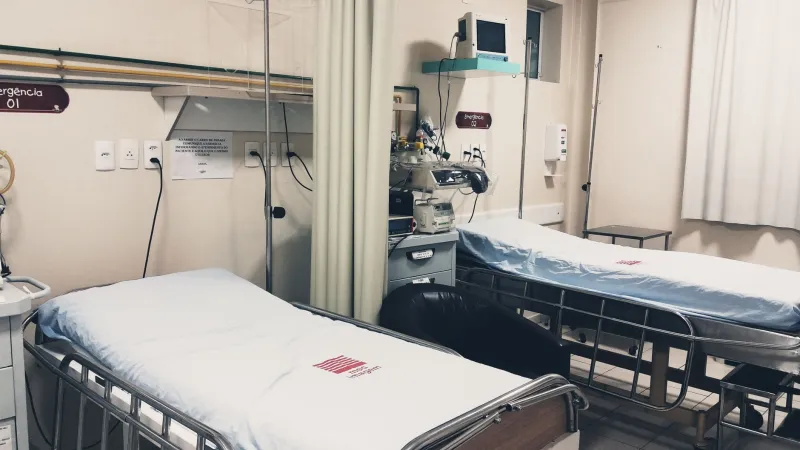
What keeps people from acting on these signals is rarely indifference. More often, it is the sheer friction of the healthcare system itself — an appointment that takes six weeks to schedule, a clinic located forty minutes from home, a copay that competes with the electric bill, or simply a workday that offers no room for a two-hour round trip. The concern does not disappear. It simply loses the competition against inconvenience.
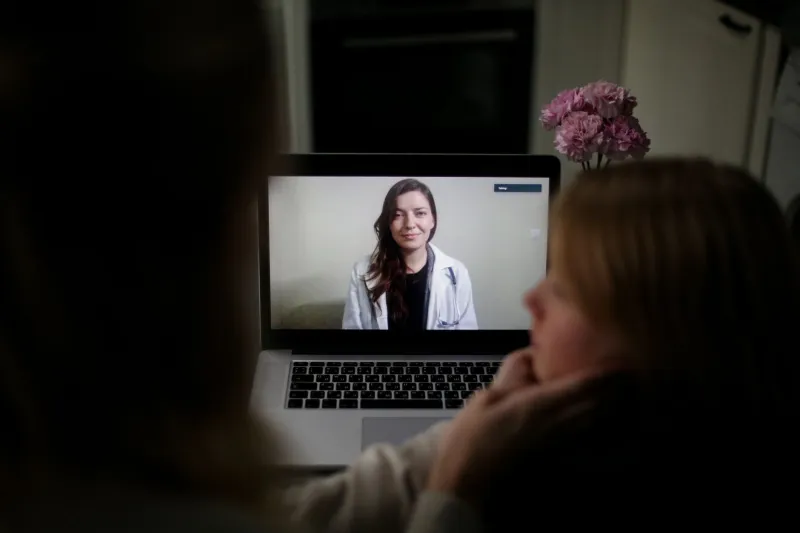
Telehealth has entered this space with a straightforward proposition: what if the distance between I wonder if something is wrong and I actually spoke with a clinician were measured in minutes rather than weeks?
What Telehealth Actually Is — and Is Not
The term telehealth encompasses a broad range of virtual health services, from live video consultations with licensed physicians to asynchronous messaging platforms where patients submit photos and symptom descriptions for clinical review. In the United States, the rapid expansion of these services during the COVID-19 pandemic permanently reshaped patient expectations and, in many states, regulatory frameworks that now allow telehealth providers to operate across state lines with greater flexibility.
For early detection purposes, it is important to understand where telehealth excels and where its limitations are genuine.
What telehealth can effectively address:
- Initial symptom triage and clinical risk assessment
- Evaluation of skin changes through high-resolution photo submission (used by dermatology telehealth platforms)
- Blood pressure monitoring follow-up when patients have home devices
- Mental health screening using validated tools such as the PHQ-9 for depression or GAD-7 for anxiety
- Ordering laboratory work and imaging that patients can complete locally
- Medication review and chronic disease management for conditions such as diabetes, hypertension, and thyroid disorders
- Urgent care evaluation for respiratory symptoms, urinary tract infections, and similar presentations
What telehealth cannot replace:
- Physical examination findings that require touch — palpating a lymph node, assessing abdominal tenderness, or detecting an irregular heartbeat through a stethoscope
- Procedures such as colonoscopy, mammography, or tissue biopsy
- Emergency care for chest pain, stroke symptoms, severe shortness of breath, or acute injury
The distinction matters. Telehealth is not a substitute for comprehensive in-person care. It is, however, an extraordinarily effective first step — one that can determine whether a symptom warrants urgent in-person follow-up or appropriate reassurance, often within the same day.
Real Conditions, Real Catches
The clinical literature and patient case reports emerging from telehealth platforms tell a consistent story: conditions are being identified earlier precisely because patients who would not have scheduled an in-person appointment did engage with a virtual provider.
Dermatology offers one of the clearest illustrations. Teledermatology platforms, several of which operate across the United States, allow patients to submit photographs of suspicious lesions for review by board-certified dermatologists. Studies published in peer-reviewed journals have demonstrated that teledermatology assessments show strong concordance with in-person diagnoses for conditions including melanoma, basal cell carcinoma, and psoriasis. For a patient in a rural county with no local dermatologist — a situation affecting tens of millions of Americans — this virtual pathway may represent the only realistic route to timely evaluation.
Mental health screening through telehealth has similarly demonstrated meaningful early detection outcomes. Anxiety and depressive disorders, left unaddressed, carry significant downstream health consequences, including increased cardiovascular risk and reduced adherence to treatment for other chronic conditions. Telehealth platforms offering behavioral health services have substantially reduced the median time between symptom onset and first clinical contact — a gap that, in traditional settings, can span years.
Endocrine conditions, including type 2 diabetes and thyroid dysfunction, are frequently identified through telehealth encounters initiated for seemingly unrelated complaints. A patient who logs on to discuss persistent fatigue may, through a brief virtual consultation and subsequent laboratory order, learn that their thyroid-stimulating hormone is significantly elevated — a finding that, untreated, carries real long-term risk.
How to Find a Legitimate Telehealth Service
The expansion of telehealth has been accompanied by a corresponding proliferation of platforms of varying quality. Navigating this landscape requires a degree of discernment.
Begin with your existing health insurance. Most major US insurers now cover telehealth visits at rates comparable to in-person consultations, and many maintain curated networks of credentialed providers accessible through member portals. This is the most straightforward starting point for insured patients.
For those without insurance or seeking lower-cost options, several reputable platforms offer transparent pricing and employ licensed, board-certified clinicians. When evaluating any telehealth service, verify the following:
- Clinicians hold active licenses in your state
- The platform clearly discloses its privacy and data practices
- Prescribing, if applicable, follows federal and state regulations
- The service provides a clear referral pathway when in-person follow-up is indicated
Federally Qualified Health Centers (FQHCs), which serve patients regardless of ability to pay, have also expanded telehealth access significantly. The Health Resources and Services Administration (HRSA) maintains a searchable directory at findahealthcenter.hrsa.gov.
Avoid platforms that promise diagnoses without clinical review, offer prescriptions without consultation, or lack transparent information about their clinical staff.
The Decision Made From Your Living Room
There is something worth naming directly: the act of initiating a telehealth visit requires a form of self-advocacy that does not always come naturally. Many Americans have been conditioned, explicitly or implicitly, to minimize their symptoms — to wait and see, to not bother anyone, to assume that a concern without dramatic presentation is not a concern worth voicing.
This conditioning has measurable consequences. Cancers detected at stage I carry survival rates that are frequently multiples of those detected at stage III or IV. Hypertension managed before end-organ damage occurs is categorically different from hypertension discovered during a cardiac event. The body does not wait for a convenient moment to escalate.
Telehealth removes the logistical excuse. It does not remove the need for judgment, follow-through, or appropriate in-person care when indicated. But it does compress the timeline between a private worry and a clinical opinion — and in medicine, time is rarely neutral.
If something has been sitting in the back of your mind, the waiting room you never enter may be the one that finally gives it the attention it deserves.
See It & Stop It encourages all readers to consult with a licensed healthcare provider regarding any personal health concerns. Telehealth services referenced in this article are provided for informational purposes and do not constitute an endorsement of any specific platform or provider.