Miles Between Life and Death: How Rural America's Healthcare Collapse Is Turning Survivable Diseases Into Death Sentences
Miles Between Life and Death: How Rural America's Healthcare Collapse Is Turning Survivable Diseases Into Death Sentences
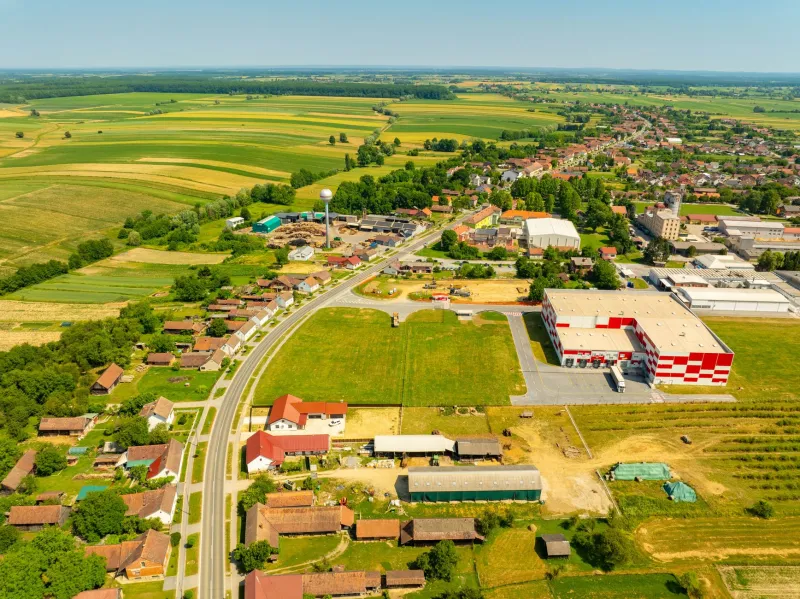
In Humphreys County, Mississippi — one of the most medically underserved counties in the United States — the nearest hospital with a functioning emergency department sits more than forty miles away. The county's only primary care clinic operates on limited hours and has struggled for years to retain physicians. For residents who notice something unusual about their health, the calculus is bleak: take a half-day off work, find transportation, drive an hour round-trip, and hope the appointment slot is available. Many do not bother. By the time they do, the window for early intervention has often closed.
This is not an isolated story. It is the lived reality for an estimated 46 million Americans who reside in rural communities, where the collapse of healthcare infrastructure has created what public health researchers are now calling a silent epidemic of late-stage diagnoses.
The Vanishing Hospital
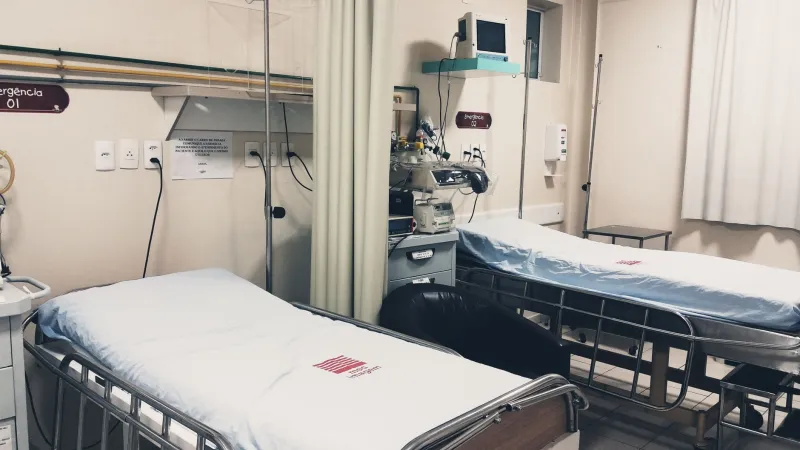
Since 2010, more than 140 rural hospitals have closed their doors permanently across the United States. Dozens more operate in precarious financial condition, offering reduced services or facing imminent shutdown. The consequences extend far beyond the loss of emergency care. When a rural hospital closes, it typically takes with it the only local access to imaging equipment, laboratory services, and specialist consultations — the very tools that make early detection possible.
Consider colorectal cancer, the second leading cause of cancer death in the United States. When caught at its earliest stage, the five-year survival rate exceeds 90 percent. Detected after the cancer has spread to distant organs, that figure drops to approximately 13 percent. The difference between those two outcomes is almost entirely a question of whether a colonoscopy or stool-based screening test was performed on schedule. In rural counties without endoscopy suites or gastroenterologists within reasonable driving distance, that screening simply does not happen for many residents — not because they are indifferent to their health, but because the option does not exist.
The same pattern repeats with cardiovascular disease. Rural Americans are significantly more likely to die from heart disease than their urban counterparts, according to data from the Centers for Disease Control and Prevention. Hypertension and elevated cholesterol — the slow-burning precursors to heart attack and stroke — are highly manageable when identified and treated early. But that management requires consistent access to a primary care provider, routine blood work, and affordable medication. In communities where the nearest clinic has a months-long wait list and the nearest pharmacy closed two years ago, consistent management is a luxury many cannot access.
Diabetes complications tell a parallel story. Type 2 diabetes progresses in stages, and early-stage intervention — lifestyle modification, medication, regular monitoring — can prevent or significantly delay the kidney failure, limb amputations, and vision loss that define advanced disease. Rural Americans are diagnosed with diabetes at higher rates than urban residents, and they are also more likely to present with complications already underway. The gap is not biological. It is structural.
Physician Shortages and the Specialist Desert
Beyond hospital closures, rural America faces a deepening physician shortage that compounds the early detection crisis. The Association of American Medical Colleges projects a national shortage of up to 86,000 physicians by 2036, and rural communities will bear a disproportionate share of that deficit. Currently, rural areas have roughly 40 primary care physicians per 100,000 residents — compared to 53 per 100,000 in urban areas. Specialist shortages are even more severe. Oncologists, cardiologists, endocrinologists, and pulmonologists are concentrated in metropolitan centers, leaving rural patients to navigate referral systems that can involve multi-hour drives and weeks-long waits.
For a 68-year-old farmer in western Kansas who notices blood in his stool, the pathway to diagnosis involves calling a primary care office that may book three weeks out, receiving a referral to a gastroenterologist in Wichita, scheduling a colonoscopy that may be another six weeks away, and arranging transportation for a procedure that requires a driver. That timeline — potentially stretching to two or three months — is not unusual. During that time, a resectable polyp can become a tumor. A treatable tumor can metastasize.
What Rural Americans Can Do Right Now
The systemic failures described here require policy solutions that will take years to implement. But rural residents do not have years to wait. There are concrete steps available today that can meaningfully reduce the risk of late-stage diagnosis.
Telehealth as a First Line of Access The expansion of telehealth coverage during and after the COVID-19 pandemic has created a genuine opening for rural patients. Major health systems, including those affiliated with academic medical centers, now offer virtual consultations with primary care physicians and many specialists. Platforms such as Teladoc Health, MDLive, and Amazon Clinic provide same-day or next-day appointments for a range of concerns. Medicare and most major insurers now cover telehealth visits. A virtual appointment is not a substitute for an in-person physical examination, but it is a far better option than waiting months for an available slot — and it can generate referrals, order laboratory tests, and flag concerns that require in-person follow-up.
Mobile Screening Programs A growing network of nonprofit and hospital-affiliated mobile health units now travels through rural counties offering screenings for cancer, diabetes, hypertension, and cardiovascular risk. The National Association of Community Health Centers maintains a searchable directory of federally qualified health centers, many of which operate mobile outreach programs. The American Cancer Society's Cancer Prevention Study and several state health departments also coordinate mobile mammography and colorectal screening initiatives. Checking with your county health department or searching the Health Resources and Services Administration's Find a Health Center tool (findahealthcenter.hrsa.gov) can identify resources operating in your area.
At-Home Screening Tests For colorectal cancer specifically, at-home stool-based tests — including the fecal immunochemical test (FIT) and the multi-target stool DNA test (Cologuard) — are approved alternatives to colonoscopy for average-risk individuals and can be ordered through a primary care provider or, in some cases, directly. These tests require no travel, no preparation, and no sedation. A positive result will still require follow-up colonoscopy, but the initial screening barrier is dramatically lowered.
Advocacy and Community Pressure Rural communities that have lost hospitals or face physician shortages are not without recourse. State legislatures allocate rural health funding, and advocacy organizations such as the National Rural Health Association (ruralhealthweb.org) provide toolkits for community members seeking to engage local officials, hospital boards, and state health agencies. Rural health coalitions have successfully lobbied for critical access hospital designations, loan repayment programs that attract physicians to underserved areas, and expanded telehealth reimbursement policies. Individual voices, organized into collective action, have changed outcomes.
The Gap Is Not Inevitable
The disparity between rural and urban health outcomes is often framed as a natural consequence of geography — as though living far from a city is simply a trade-off people accept. It is not. It is the result of decades of policy decisions, funding allocations, and institutional priorities that have systematically underinvested in the health of rural communities.
Catching disease early is not a privilege reserved for people who live near a major medical center. It is a fundamental component of preventive care that every American deserves access to, regardless of their zip code. The tools to close this gap — telehealth, mobile screening, at-home diagnostics, community advocacy — exist and are available. Using them is not a workaround. It is an act of self-preservation in a system that has not yet caught up to its obligations.
See it. Stop it. No matter where you live.