See It & Stop It Catch It Early. Act Fast. Live Better.

See It & Stop It

Catch It Early. Act Fast. Live Better.

Latest Articles

When 'It's Probably Nothing' Becomes the Most Dangerous Sentence in Medicine
Early Detection

When 'It's Probably Nothing' Becomes the Most Dangerous Sentence in Medicine

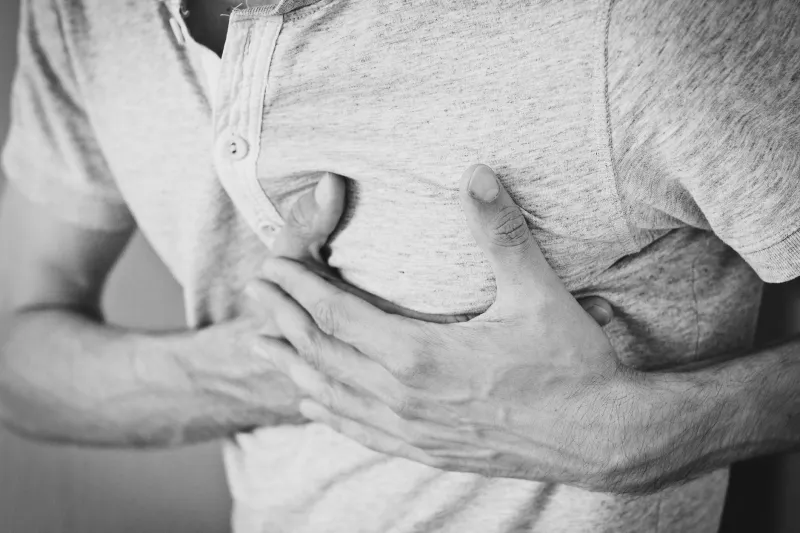
Millions of Americans talk themselves out of seeking emergency care every year, dismissing chest tightness, sudden vision changes, and one-sided weakness as stress or overexertion. What feels like caution is often delay — and in time-sensitive emergencies like strokes and heart attacks, delay carries a devastating price. This guide breaks down which symptoms demand immediate action and how to stop second-guessing yourself when minutes matter most.


The People Who Know You Best May Be the First to Notice Something Is Wrong
Prevention & Public Health

The People Who Know You Best May Be the First to Notice Something Is Wrong

Science increasingly confirms what many of us have experienced firsthand: the people closest to us often detect changes in our health before we do ourselves. From shifts in mood and memory to changes in appearance and behavior, friends and family members occupy a uniquely powerful position in the early detection of serious conditions — if they know what to look for and how to speak up. This article equips loved ones with the knowledge and language to act.

Seven Numbers That Tell the Truth About Your Health — Do You Know Yours?
Early Detection

Seven Numbers That Tell the Truth About Your Health — Do You Know Yours?

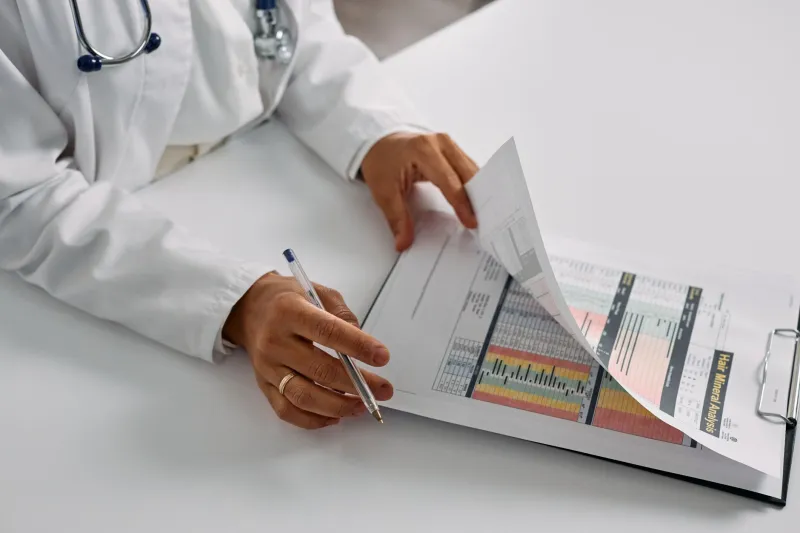
Most Americans receive lab results every year without fully understanding what those figures actually mean for their long-term health. Knowing your key biomarkers — and what to do when they shift — transforms you from a passive patient into an informed advocate for your own body. Here is what each critical number reveals, and why staying current on them could be one of the most consequential decisions you make.

Read Your Reflection: A 5-Minute At-Home Scan That Could Change Everything
Early Detection

Read Your Reflection: A 5-Minute At-Home Scan That Could Change Everything

Your bathroom mirror holds more diagnostic potential than most people realize. A focused, deliberate look at your skin, eyes, nails, and mouth each morning can surface warning signs that physicians use to flag serious conditions — from liver disease to early-stage melanoma. This guide turns that daily glance into a structured, potentially life-saving habit.

Where You Live Shapes How Long You Live — And How to Fight Back
Prevention & Public Health

Where You Live Shapes How Long You Live — And How to Fight Back

Across the United States, your neighborhood can be a more accurate predictor of your health outcomes than your genetics or your lifestyle choices. Geographic disparities in access to preventive care are fueling late-stage disease diagnoses in communities that can least afford them — but a growing network of mobile clinics, community health workers, and telehealth platforms is beginning to change that equation.

Your Body Is Whispering Before It Screams: How to Recognize the Subtle Signals That Demand Your Attention
Early Detection

Your Body Is Whispering Before It Screams: How to Recognize the Subtle Signals That Demand Your Attention

Persistent fatigue, unexplained weight changes, and skin irregularities are among the quiet distress signals your body sends long before a serious diagnosis arrives. Learning to recognize and act on these subtle cues is the cornerstone of effective disease prevention. This guide walks you through the warning signs most Americans dismiss — and the concrete steps that could protect your health and your life.

The Annual Checkup You Keep Postponing Is Already Costing More Than You Think
Prevention & Public Health

The Annual Checkup You Keep Postponing Is Already Costing More Than You Think

Millions of Americans skip routine medical screenings each year, citing cost, inconvenience, or the quiet hope that nothing is wrong. But public health data tells a far more expensive story — one measured in emergency room visits, late-stage diagnoses, and preventable deaths. This piece examines the true price of delayed care and offers a practical roadmap for accessing free or low-cost preventive services available right now.